
Marketing Funnel vs Sales Funnel: What's the difference?
SHARE


Ever pondered the contrast between the marketing funnel vs sales funnel? It's a bit like figuring out the difference between planting seeds and harvesting crops. Both are essential but with distinct roles in the growth process.
So, what's the deal with these funnels, and why should you care?
Understanding the nuances between the marketing funnel vs sales funnel is like holding the map to success in your hands. It's not just about knowing which direction to take but also recognizing the terrain ahead.
Stay tuned as we delve into the world of funnels and unveil their significance in your business journey.
Defining Marketing Funnel
A marketing funnel is like a roadmap guiding potential customers through different stages. Picture this: you've got a product or service, and the goal is to turn strangers into loyal customers. That's where the marketing funnel steps in.
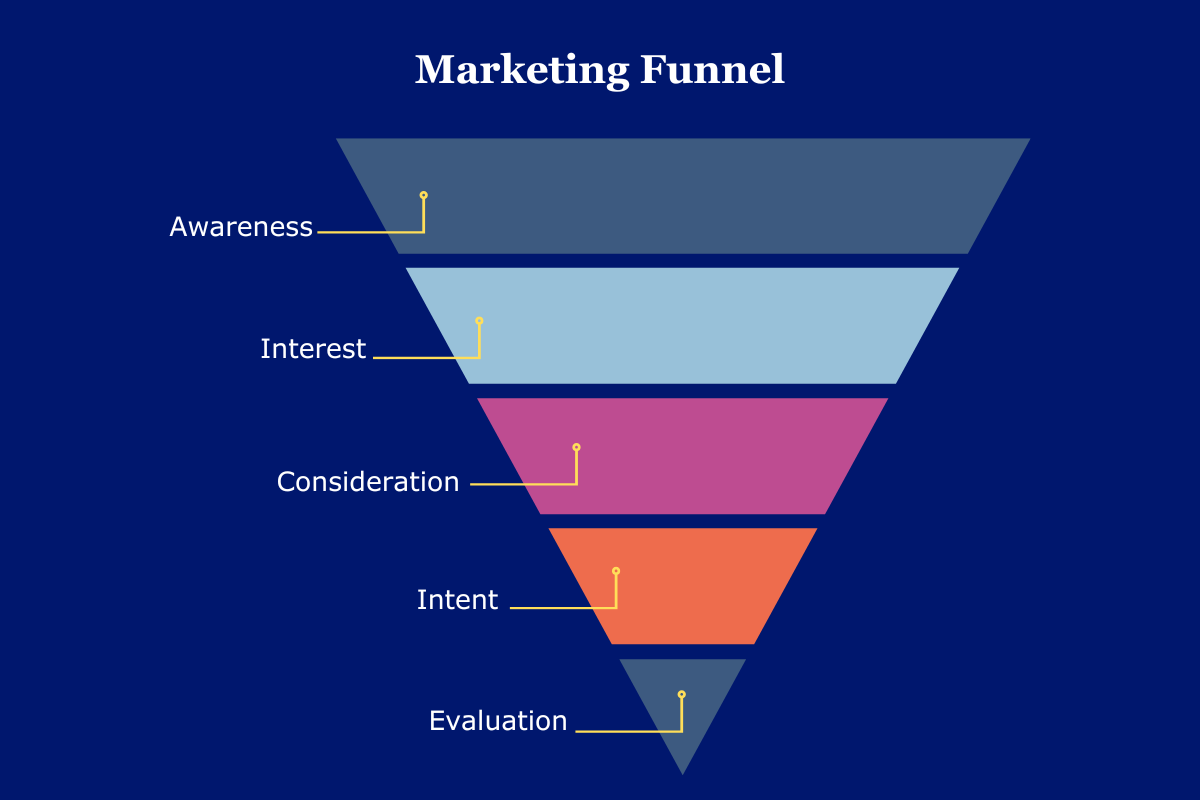
A marketing funnel is like a journey: it grabs attention, stirs interest, guides consideration, and seals the deal. Think of it as a journey from "Who are you?" to "Where do I sign up?". Every step—awareness, interest, consideration, conversion—matters in how customers decide.
So, when it comes to marketing funnel vs sales funnel, understanding this initial phase sets the stage for success.
Exploring Sales Funnel
Now, let's dive into the realm of sales funnel. Unlike its marketing counterpart, the sales funnel zooms in on converting leads into paying customers. It's the roadmap specifically designed to steer prospects toward making a purchase.
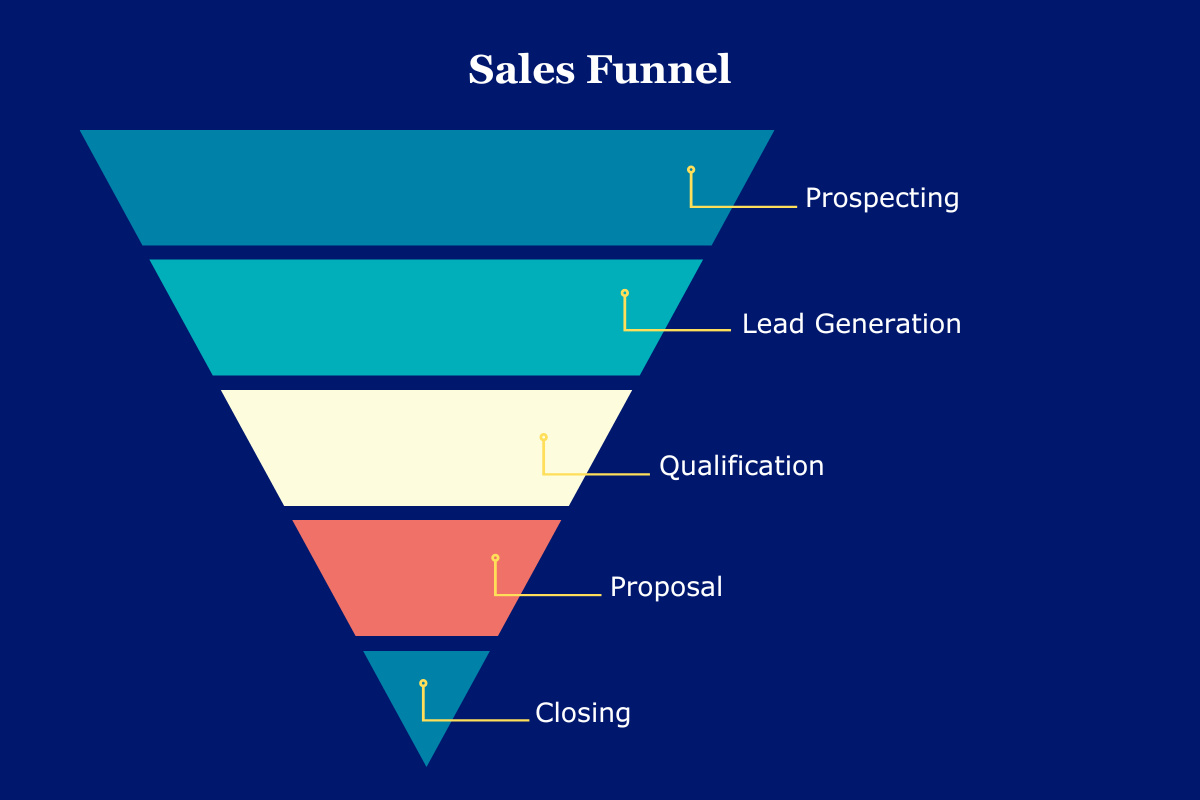
At its core, the sales funnel focuses on four key stages: prospecting, connecting, presenting, and closing. Each step aims to build rapport, address needs, showcase value, and ultimately, seal the deal.
Sales funnels focus on the crucial point of converting interest into action.
Different Objectives
Understanding distinct objectives is essential when comparing marketing funnels and sales funnels. The marketing funnel primarily focuses on building brand awareness and generating leads.
It's about casting a wide net, capturing attention, and nurturing relationships with potential customers. At its core, the marketing funnel aims to create a steady stream of interested prospects who may eventually move down the sales funnel.
On the other hand, the sales funnel is all about closing deals and driving revenue. It's where the rubber meets the road, and the focus shifts from engagement to conversion. The sales funnel precisely targets interested leads and leads them through buying. It's all about converting and boosting profits.
While the objectives of the marketing funnel vs sales funnel may differ, they work hand in hand to fuel business growth. The marketing funnel attracts and nurtures leads.
On the other hand, the sales funnel converts them into paying customers. Together, they form a dynamic duo that propels businesses towards success.
Alignment and Integration
Aligning the marketing funnel vs sales funnel is crucial for driving cohesive business growth. Integration ensures a seamless transition from lead generation to conversion. It creates a unified journey for potential customers.
When marketing and sales efforts are in sync, it streamlines the process. This maximizes the chances of turning leads into loyal customers.
Lead scoring is an effective integration strategy. It evaluates prospects based on engagement and likelihood to purchase. By assigning scores to leads, sales teams can prioritize their efforts and focus on the most promising opportunities.
Implementing lead nurturing campaigns is crucial. They maintain engagement with prospects as they progress through the funnel. This ensures they stay connected and informed until they're ready to make a purchase decision.
Metrics and Measurement
When it comes to measuring success, understanding the key metrics for the marketing funnel vs sales funnel is essential. Let's break down the metrics that matter for each stage:
Marketing Funnel Metrics:
Impressions: The number of times your ad or content is displayed.
Clicks: The number of times users interact with your ad or content.
Conversions: The number of users who take a desired action. This could be signing up for a newsletter or downloading a resource.
Sales Funnel Metrics:
Leads: Individuals or companies who have expressed interest in your product or service.
Opportunities: Qualified leads that have the potential to become customers.
Sales Volume: The total value of sales generated within a specific period.
Customer Journey Perspective
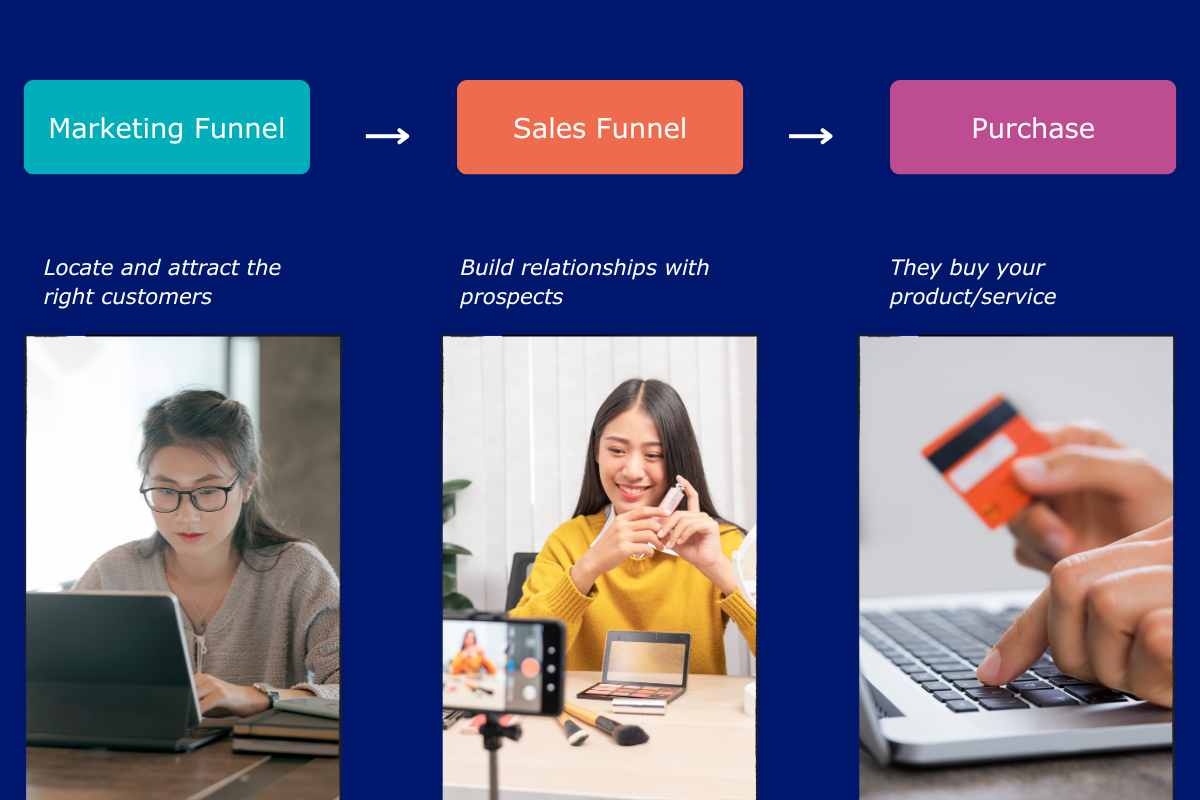
Understanding the customer journey fully is vital. It's important to recognize the interconnectedness of marketing funnels and sales funnels. The marketing funnel acts as the initial spark, igniting awareness and interest in potential customers. It's the starting point where individuals embark on their journey towards a purchase.
From there, the sales funnel takes the reins. It guides prospects through the decision-making process and ultimately leads to conversion.
Imagine the customer journey as a winding path. The marketing funnel casts a wide net at the beginning, and the sales funnel provides direction toward making a purchase.
Together, these two funnels work in tandem to nurture leads. They facilitate the progression from prospect to loyal customer.
Adaptation to Digital Landscape
The digital landscape transformed the marketing funnel and sales funnel, changing customer engagement. Digital channels are crucial at every funnel stage.
They cover brand awareness on social media to lead nurturing through email and personal messaging. Through online platforms, businesses engage with customers at every touchpoint.
Data analytics has emerged as a game-changer in optimizing funnel performance in the digital age. Businesses can gain insights into customer behavior and preferences. They do this by analyzing metrics like website traffic, click-through rates, and conversion rates.
This data-driven approach helps refine strategies. It also tailors content to specific audience segments. Ultimately, it improves the efficiency and effectiveness of their marketing and sales funnels.
Conclusion
In conclusion, mastering the dynamics of marketing funnels and sales funnels is paramount. It's crucial for any business aiming to thrive in the digital age. By understanding and integrating both funnels seamlessly into marketing strategies, businesses can create a cohesive and streamlined journey for potential customers.
This journey spans from initial awareness to final conversion. The synergy between these two funnels maximizes lead generation and sales. Additionally, it fosters long-term customer relationships and brand loyalty.
As the digital landscape evolves, now is the perfect time to explore and implement innovative strategies. This applies to marketing funnels and sales funnels. By staying agile and embracing emerging technologies and trends, businesses can stay ahead of the curve. They can also capitalize on new opportunities to engage and delight their audience.
Unlock Your Potential with Systeme IO's Marketing Funnel Templates…
Leverage Systeme IO's marketing funnel templates that can streamline your efforts and drive results for your business.
With tailored solutions for every industry and customizable templates at your fingertips, achieving marketing success has never been easier.
Start optimizing your strategy today and watch your business thrive!
Ready to supercharge your business with Systeme IO Funnels?
Subscribe and get a FREE template today!
Created with ©systeme.io• Privacy policy • Terms of service